
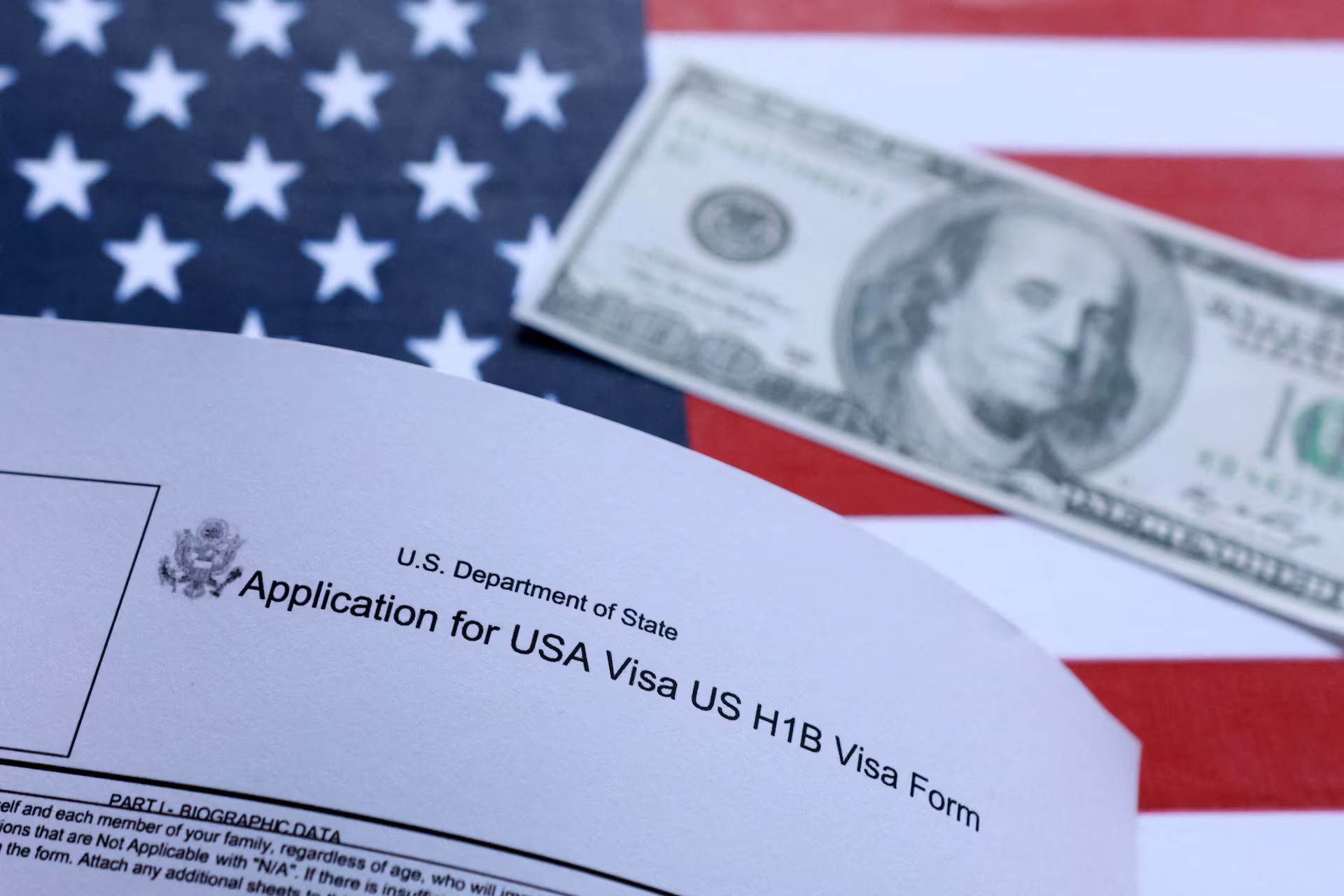
On December 29, 2025, the Department of Homeland Security (DHS) and U.S. Citizenship and Immigration Services (USCIS) formalized a historic shift in how America allocates its most sought-after work visas. Published in the Federal Register, the new regulation officially replaces the traditional random H-1B lottery with a wage-based weighted selection system.
Scheduled to take effect on February 27, 2026, this rule will govern the upcoming Fiscal Year (FY) 2027 cap season, with registration opening in March 2026. The move marks a decisive transition from a “luck-based” model to a “merit-centric” framework designed to prioritize higher-paid, higher-skilled professionals.
How the New “Weighted” System Works
Under the previous system, every H-1B registration had an equal statistical chance of selection, regardless of whether the applicant was an entry-level analyst or a senior architect. The new system fundamentally alters these odds by tying them to the Department of Labor’s (DOL) four wage levels.
Instead of a single entry per person, the new algorithm assigns “entries” based on the salary offered relative to the prevailing wage for that occupation and location:
- Wage Level IV (Fully Competent): Applicants offered salaries at the highest tier will receive 4 entries in the selection pool. This effectively quadruples their chances compared to the baseline, making selection nearly guaranteed for top-tier professionals in many sectors.
- Wage Level III (Experienced): Applicants at this level will receive 3 entries.
- Wage Level II (Qualified): Applicants will receive 2 entries.
- Wage Level I (Entry-Level): Applicants at the lowest wage tier will receive only 1 entry.
The Mathematical Impact
While the system is still technically a lottery (random selection applies within the pool), the “weighting” heavily skews the probability. Preliminary modeling suggests that Level I candidates—typically fresh graduates or junior employees—will see their selection odds plummet, potentially below 15-20%, while Level IV candidates could see odds exceeding 85-90%.
Rationale: “Protecting U.S. Wages”
The administration has cited two primary drivers for this regulation:
- Combating “Cheap Labor” Imports: By statistically favoring higher salaries, USCIS aims to discourage companies from using the H-1B program to hire entry-level foreign workers at wages lower than their American counterparts.
- Merit-Based Immigration: The rule aligns with a broader policy goal to ensure the limited supply of 85,000 annual visas goes to the “best and brightest”—defined in this context by the market value (salary) of their skills.
Critical Implications for Employers and Applicants
The shift to a wage-based system requires an immediate strategic overhaul for any company planning to sponsor H-1B visas in March 2026.
- The “Entry-Level” Crisis
The biggest losers in this shift are international students and recent graduates (F-1 visa holders). These individuals typically qualify for Level I wages. Under the new rules, companies may hesitate to sponsor them, knowing the statistical likelihood of selection is low. We may see a trend where employers require foreign nationals to gain 2-3 years of experience (perhaps via STEM OPT) to qualify for Level II wages before attempting an H-1B filing.
- Salary Inflation and Budgeting
Employers essentially now face a “pay-to-play” dynamic. To secure a visa for a critical role, companies may be forced to offer salaries at Level II or III, even if the role technically fits a Level I description. However, this creates internal equity risks; inflating a foreign worker’s salary to secure a visa could trigger legal issues if American workers in similar roles are paid less.
- Integrity and Compliance Traps
USCIS has built strict integrity measures into the rule. If an employer registers a candidate at Wage Level III to game the lottery but later files the actual petition at Wage Level II, the petition will be denied or revoked. The wage level asserted during the registration phase must match the certified Labor Condition Application (LCA) filed later.
What Happens Next?
- Effective Date: February 27, 2026.
- Registration Window: The FY 2027 H-1B registration period is expected to open in early March 2026.
- Legal Challenges: While the rule is final, industry groups representing startups and universities are expected to file lawsuits, arguing the rule exceeds DHS’s statutory authority. However, unless a court issues an injunction before March, employers must prepare for the weighted lottery now.
Conclusion
The December 29 regulation effectively ends the era where an H-1B visa was a game of pure chance. For FY 2027, the “Golden Ticket” to working in the U.S. will no longer be luck—it will be the paycheck. Companies must now view immigration strategy not just as a legal process, but as a financial one, where budget allocation directly correlates with visa success.