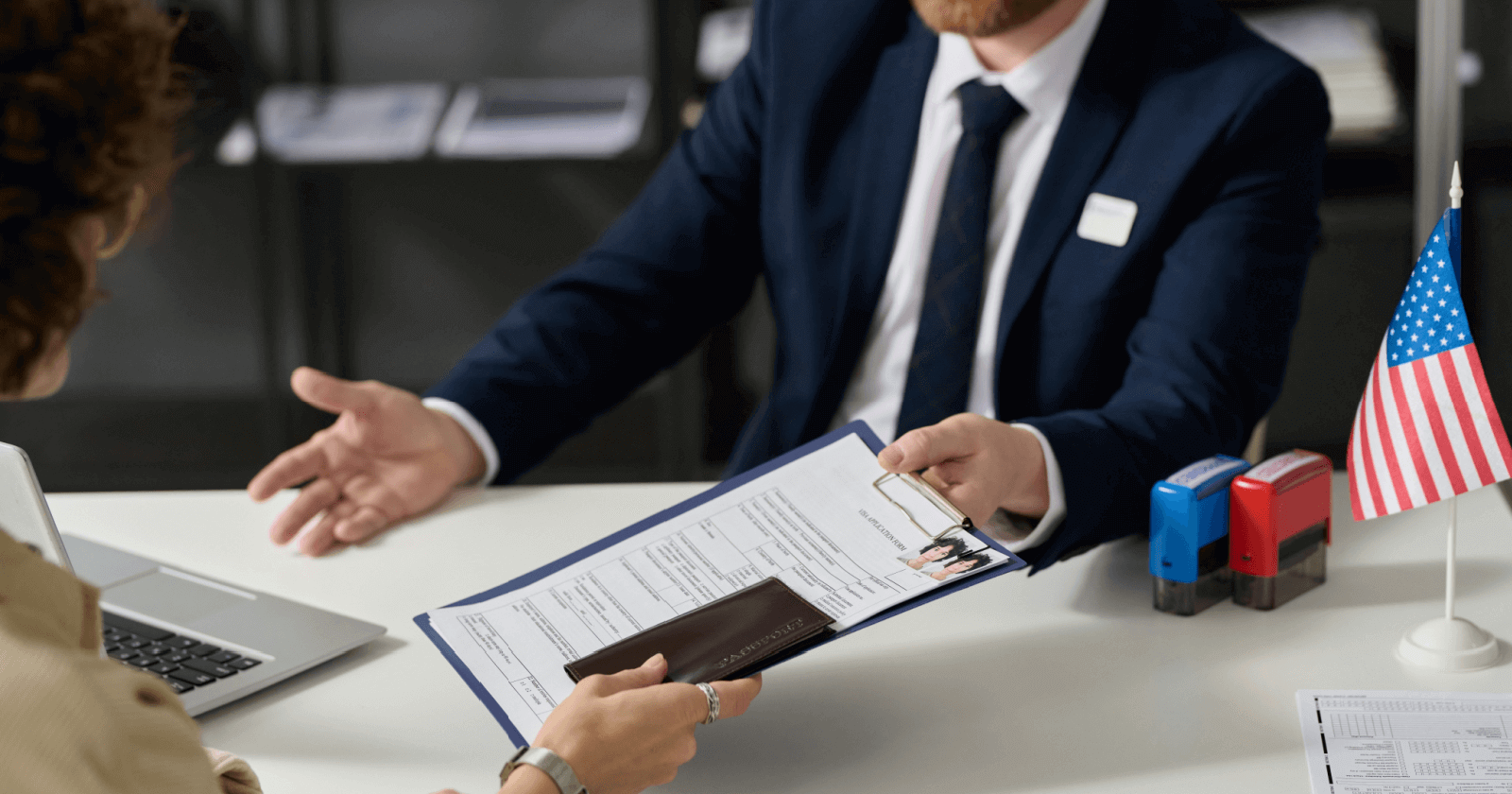
From December 15 to December 30, 2025, a wave of confusion swept through the U.S. visa applicant community in India. Thousands of professionals and students, many with confirmed interview slots, received abrupt cancellation notices. Their appointment some scheduled months in advance, were pushed to March, April, or even May 2026.
This operational freeze is not a technical glitch. It is the direct result of a new State Department directive requiring “enhanced online presence reviews” for nearly all H-1B, F-1, and B-1/B-2 applicants.
The New Reality: “Public” Profiles and Deeper Scrutiny
Effective December 15, 2025, U.S. consulates began implementing stricter protocols for reviewing the digital footprints of visa seekers. While the DS-160 form has asked for social media handles for several years, the vetting process was often automated or reserved for “high-risk” cases.
The new mandate fundamentally shifts this approach:
- Mandatory Manual Review: Consular officers are now instructed to conduct manual spot-checks of social media activity for a much larger percentage of the applicant pool, particularly for H-1B (specialty occupation) workers.
- The “Public” Instruction: In a controversial move, some applicants have reported receiving instructions to ensure their social media privacy settings are set to “Public” prior to their interview to facilitate this vetting.
- Capacity Crunch: Because a manual review of an Instagram or LinkedIn profile takes significantly longer than a standard background check, the number of interviews a consular officer can conduct in a day has dropped. To accommodate this slower pace, consulates had to “clear the decks,” canceling thousands of existing appointments to prevent a daily backlog.
Who Was Hit Hardest?
The cancellations have disproportionately affected applicants in India, specifically at the heavy-volume consulates in Hyderabad, Chennai, and Mumbai.
- The Stranded H-1B Worker
The most acute crisis faces H-1B workers who traveled to India in December for what they thought was a routine visa stamping trip.
- The Scenario: Many planned to return to the U.S. in early January to resume work.
- The Impact: With interviews rescheduled to March 2026, these workers are effectively stranded. They cannot re-enter the U.S. without a valid stamp. This places their U.S. employment at risk, as few employers can sustain a 3-month unplanned absence.
- The Spring Semester Student (F-1)
While F-1 students have been subject to stricter vetting since mid-2025, the holiday surge exacerbated the issue. Students aiming for the January 2026 intake who had their late-December interviews canceled are now scrambling. Missing the start of classes by more than a week often forces a deferral to the next semester.
What Are They Looking For?
The “enhanced vetting” is designed to flag potential risks that standard criminal background checks might miss. According to immigration insiders, the scrutiny focuses on:
- Resume Inconsistencies: Does your LinkedIn work history match what you put on your DS-160? (e.g., You listed a job on LinkedIn that you omitted from your visa application).
- Radicalization or Threat: Any posts (or “likes”) that suggest hostility toward the U.S. government or adherence to extremist ideologies.
- Immigrant Intent (for Non-Immigrants): For B-1/B-2 (tourist) applicants, officers look for posts indicating an intent to work or stay permanently (e.g., asking about “jobs in Chicago” on public forums).
Strategic Advice for Applicants
If you are caught in this rescheduling wave or have an upcoming interview, consider the following steps:
- Do Not “Scrub” Panic-Delete: Rapidly deleting years of history or deactivating accounts right before an interview can trigger a “red flag” for fraud or evasion.
- Audit for Consistency: Ensure your LinkedIn profile perfectly matches the employment history listed on your DS-160. Discrepancies here are the #1 cause of “221(g)” administrative processing delays for tech workers.
- Check Your “Likes”: It is not just what you post; it is what you amplify. Ensure your public interactions do not inadvertently associate you with controversial or prohibited groups.
Conclusion
The “Mass Cancellation of December” serves as a stark warning: the U.S. visa process has evolved into a digital audit. The days of walking into a consulate with just a passport and an offer letter are over. Today, your digital identity is as much a part of your application as your physical documents, and the processing time now reflects this rigorous new standard.